
Analytical & Microbial Sciences
Chemistry
Analytical chemistry that underwrites every other division's numbers
- platforms
- 8
- Listed methods
- 15
- Instruments
- 8
Overview
Chemistry, in overview.
Discipline group
Analytical & Microbial Sciences
Capability groups
4
Chemistry is the division no study can proceed without. Identity, purity, concentration and stability are established here, and every dose administered anywhere in the laboratory traces back to a chemistry result.
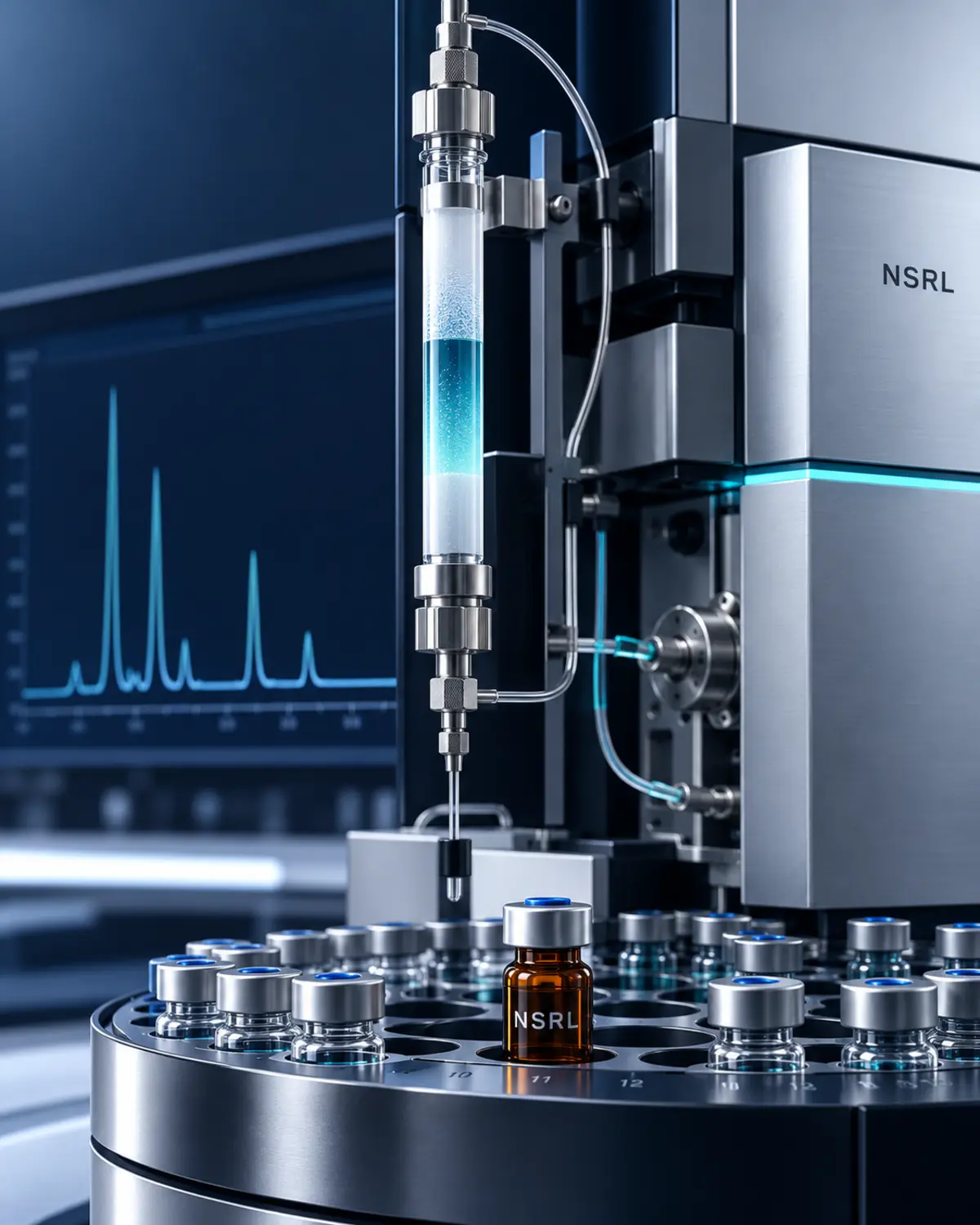
The GLP-certified laboratory runs HPLC, GC-MS/MS, LC-MS/MS, ICP-MS, FTIR, NMR, DSC and TGA — a spread that covers organic and inorganic, volatile and involatile, thermal and spectroscopic characterisation without outsourcing a step.
Method development and validation, impurity profiling and characterisation, five-batch analysis and stability programmes are handled end to end, with samples and data archived for ten years.
Capabilities
Four capability groups. 15 listed methods.
Every method below runs inside the same quality system, against the same archive, with the same chain of custody. Study designs are assembled from this catalogue rather than improvised around it.
Chemical analysis
6 methods
- Identification
- Elemental analysis
- Spectroscopic analysis
- Chromatographic techniques
- Thermal analysis
- Particle size analysis
Method development & validation
3 methods
- Analytical method development
- Method validation to international standards
- Method transfer
Impurity & stability
4 methods
- Impurity profiling and characterisation
- Five-batch analysis
- Stability studies
- Shelf-life determination
Quality & materials
2 methods
- Quality control and quality assurance
- Material testing and characterisation
Specifications
On the record.
Guideline numbers, test species and instrument names are reproduced exactly as the laboratory publishes them, because a method is only portable across borders if it can be named precisely.
Instrument estate
8 platforms- 01HPLC
- 02GC-MS/MS
- 03LC-MS/MS
- 04ICP-MS
- 05FTIR
- 06NMR
- 07DSC
- 08TGA
Under accreditation
What governs this work.
Chemistry operates inside the quality system audited under the certifications listed here.
- OECD GLP
- NABL
Good Laboratory Practice certification
OECD GLPNGCMA, Department of Science and Technology, Government of India
Compliance with OECD Principles of Good Laboratory Practice, the basis on which study reports are accepted across all OECD Mutual Acceptance of Data countries.
View the certificateISO/IEC 17025:2017 accreditation
NABLNational Accreditation Board for Testing and Calibration Laboratories
Technical competence of the testing laboratory against the international standard for testing and calibration laboratories.
View the certificate
Runs alongside
Nothing here works alone.
Most programmes cross three or four divisions. On one campus, under one quality system, that crossing costs a corridor rather than a shipment.
- 01ToxicologySafety studies evaluating acute and longer-term effects, including toxicity, irritation and sensitisation, to support product safety and regulatory assessment
- 02EcotoxicologyIndia's largest ecotoxicology department — 26 species across water, soil and air
- 04MicrobiologySterility, endotoxin and environmental monitoring against ISO, USP and OECD methods